Are Online Homeschool Programs Right for You? A Complete Guide
Do you feel like the traditional classroom just isn’t working for your child anymore?
Maybe they are bored, struggling to keep up, or just need a safer environment free from bullying or distractions.
You aren’t alone in feeling this way. Fortunately, modern education offers flexibility that wasn’t available a decade ago.
Let’s look at whether online homeschool programs could be the fresh start your family needs.
Key Takeaways
Before we jump into the details, here is a quick summary of what you need to know about switching to an online model:
- It’s Not “Pandemic Schooling”: Established online homeschool programs are structured, intentional, and far more organized than emergency remote learning.
- Flexibility is King: Your child can often learn at their own speed, making it great for athletes, travelers, or students who need extra time.
- Accreditation Matters: For high schoolers especially, choosing an accredited program is vital for college entry and NCAA eligibility.
- Parental Role: While teachers are online, you still play a huge role as a “learning coach” to keep things on track.
What Exactly Are Online Homeschool Programs?
When people hear “online school,” they often think of Zoom calls all day. However, true online homeschool programs differ significantly from the remote learning many experienced in 2020.
These programs provide a structured K-12 education delivered through the internet. They usually fall into two categories:
- Online Public Schools: These are tuition-free, government-funded schools (often charter schools) that operate online. They follow the same state regulations and testing schedules as brick-and-mortar schools.
- Private Online Homeschool Curricula: These are paid programs. They give you the tools, lessons, and grading systems, but you have much more freedom regarding when and how your child completes the work.
Who Is This For?
Families choose this path for many reasons. It is popular among:
- Military families who move frequently.
- Student athletes or actors who need schedule flexibility.
- Students with special needs or anxiety who struggle in crowded hallways.
- Advanced learners who want to move faster than their peers (self-paced learning).
The Major Benefits of Online Learning
Making the switch is a big decision. Here are the primary reasons parents opt for online homeschool programs.
1. Individualized Learning Pace
In a physical classroom, the teacher must teach to the middle. If your child is ahead, they get bored. If they are behind, they get left in the dust. Online homeschool programs often utilize self-paced learning. This means your child can breeze through math if they are good at it, but take two weeks to really understand a history unit without being penalized.
2. Safety and Environment Control
Bullying and negative peer pressure are major concerns for parents today. Learning from home allows you to control the environment. You can ensure your child is safe, comfortable, and able to focus on academics rather than social hierarchy.
3. Immediate Feedback
Many digital platforms use AI-driven tools to grade quizzes instantly. Your student knows right away if they understood the concept. If they didn’t, the system often prompts them to review the material immediately, closing learning gaps before they widen.
The Challenges: What to Watch Out For
It is important to be realistic. Online homeschool programs are not a magic fix for every educational struggle.
1. The Socialization Question
“But what about socialization?” is the number one question friends will ask you. While online students don’t have a cafeteria lunch hour, they are not isolated. However, you must be intentional about it. You will need to sign them up for local sports, co-ops, or clubs to ensure they get enough interaction with peers.
2. Screen Time Fatigue
Since the curriculum is digital, your child will spend hours in front of a computer. It is vital to balance this with offline activities, hands-on projects, and plenty of outdoor breaks.
3. The Need for Parental Involvement
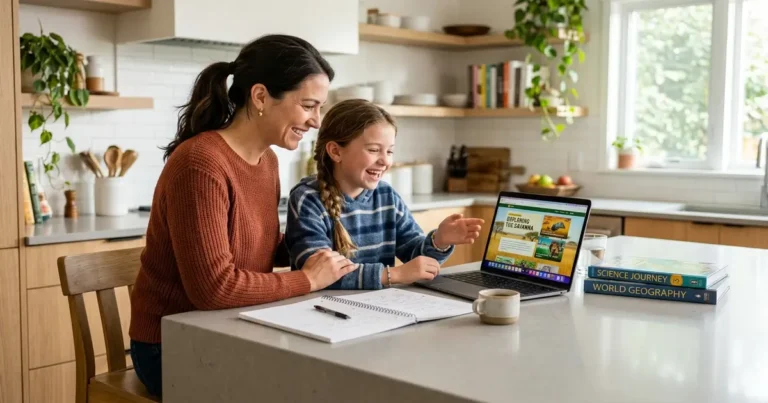
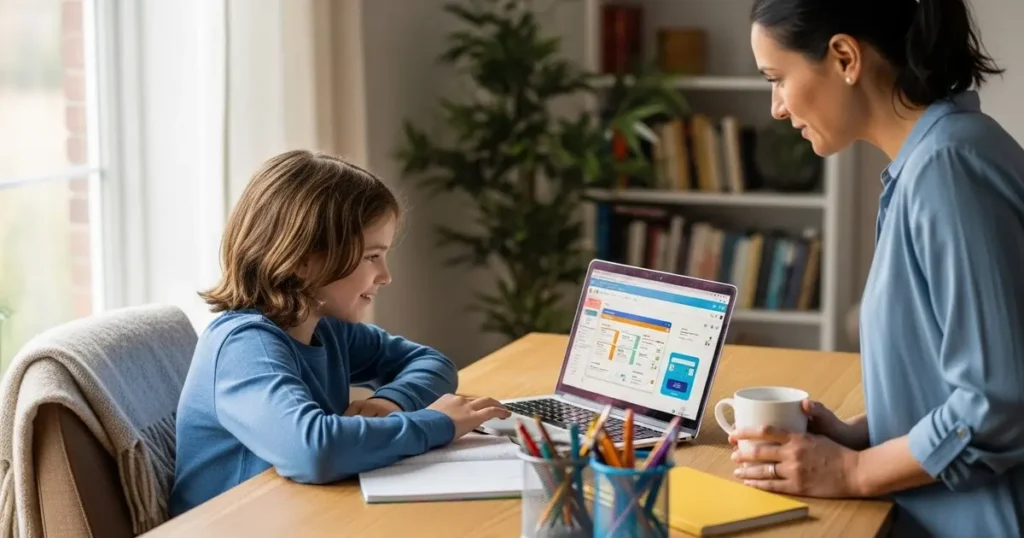
You cannot just sit your child in front of a computer and walk away for eight hours. Especially for younger children (grades K-5), parent involvement is high. You act as the “Learning Coach,” helping them log in, keeping them on task, and explaining difficult concepts.
Comparing Your Options: Public vs. Private
Not all online homeschool programs are built the same. Understanding the difference between online public school and independent homeschooling is crucial for your budget and your freedom.
| Feature | Online Public School (Virtual Charter) | Independent Online Homeschool Programs |
|---|---|---|
| Cost | Free (Tax-funded) | Paid (Monthly or Annual Tuition) |
| Curriculum | Set by the state | Chosen by the parent |
| Schedule | Often rigid; follows the school year | Highly flexible; year-round options |
| Testing | Mandatory state testing | Varies by state laws |
| Teacher Support | Certified teachers included | Varies (some offer tutors, some don’t) |
| Religious Content | Secular only | Can be secular or religious |
If you want total control over what your child learns, independent programs are better. If you want a free option with certified teachers, an online public school is the way to go.
Evaluating Costs
Homeschooling costs can range from $0 to thousands of dollars a year.
- All-in-One Programs: These cover all subjects (Math, English, Science, History). They typically charge a monthly subscription, usually between $25 and $50 per student per month.
- Online Private Schools: These operate like prep schools but online. They have live classes, virtual clubs, and academic advisors. These can cost anywhere from $3,000 to $10,000+ per year.
- A La Carte: You might buy a math program from one provider and a reading program from another. This allows for customization, but it can add up quickly.
Accreditation: Why It Matters
When searching for online homeschool programs, you will see the word “accredited” often.
Accredited homeschooling means an outside agency has reviewed the school’s curriculum and teachers to ensure they meet specific standards.
- For Elementary/Middle School: Accreditation is nice to have, but not strictly necessary in most states.
- For High School: It is extremely important. If your child wants to attend a university, join the military, or needs NCAA eligibility for college sports, the credits they earn usually need to come from an accredited source. Always check if a program is “regionally accredited” before signing up a high schooler.
Is It “Real” Homeschooling?
Technically, if you enroll in an online public charter school, your child is considered a public school student who learns at home. You generally do not have to file homeschool paperwork with your state.
If you purchase a private curriculum and teach independently, you are a homeschooler in the eyes of the law. You must follow your state’s homeschool laws, which might include filing an affidavit, keeping attendance records, or submitting annual portfolios.
Actionable Advice: How to Start
Ready to leap? Here is a step-by-step guide to getting started with online homeschool programs.
Step 1: Know Your State Laws
Before withdrawing your child from their current school, check the regulations in your area. The Home School Legal Defense Association (HSLDA) is a great resource for understanding state regulations. You don’t want to accidentally become truant.
Step 2: Determine Your Budget
Can you afford a private online private school? Or do you need a low-cost subscription model? If money is tight, look into tuition-free virtual charter schools available in your state.
Step 3: Identify Your Child’s Learning Style
Does your child need colorful animations and games (visual/interactive)? Or do they prefer reading text and answering questions?
- For visual learners: Look for programs with lots of video lessons.
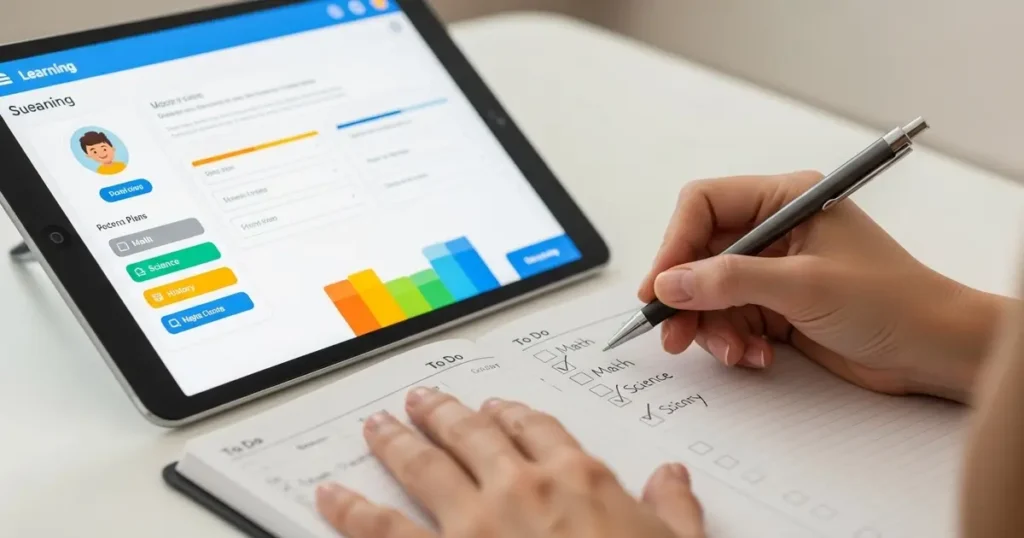
- For structure lovers: Look for programs with a clear “to-do” list every morning.
Step 4: Choose Your Program
Start researching specific online homeschool programs. Many offer free trials for 7 to 14 days. Sign up for a few trials and let your child test them. If the interface frustrates them, learning will be a battle.
Step 5: Create a Dedicated Space
You don’t need a fancy classroom. A corner of the living room or a quiet desk in a bedroom works fine. The key is consistency. When your child sits in that spot, their brain should know it is time to focus.
Step 6: Start with a “De-schooling” Period
If you are pulling your child out of a stressful public school situation, don’t expect them to jump into hybrid homeschooling or full-time online work perfectly on day one. Give them a few days or weeks to adjust to the new freedom and routine.
Conclusion
Deciding to switch to online homeschool programs is a brave choice that puts your child’s needs first. It offers the freedom to learn without the rigid bells and schedules of a traditional building. Whether you choose a tuition-free public option or a flexible private curriculum, the goal is the same: reigniting your child’s love for learning.
Take your time exploring your options. Use the free trials. Talk to other parents. With the right program and a little patience, you can create an education that fits your child perfectly.
Frequently Asked Questions (FAQ)
1. Are online homeschool programs legitimate?
Yes. Accredited programs are recognized by colleges and employers. Even non-accredited programs can be valid if you follow your state’s homeschool laws and document your child’s progress.
2. Can my child go to college with an online diploma?
Absolutely. Colleges accept homeschoolers and online school graduates regularly. In fact, many admissions officers like the self-discipline independent learners possess. Just ensure high school credits are well-documented.
3. How much time does it take each day?
It is usually faster than regular school. Without roll call, assembly, and transition times, an elementary student might finish in 2–3 hours. A high schooler typically needs 4–6 hours, depending on their course load.
4. Can we switch programs if one doesn’t work?
Yes. That is the beauty of homeschooling. If a math program is causing tears, you can switch to a different one next month. You are not locked in forever.
5. Is there a difference between online school and remote learning?
Yes. “Remote learning” usually refers to the emergency measures schools took during the pandemic. Established online homeschool programs are designed specifically for digital delivery, making them more engaging and organized.
Views: 0