
Charlotte Mason Homeschool Method: The Complete Guide for American Families 2026

Rediscovering Charlotte Mason Homeschooling in America
In 2026, more American families than ever are embracing the Charlotte Mason homeschool curriculum—a refreshing alternative to screen-heavy learning and standardized testing pressure. With over 3.7 million homeschoolers in the United States, parents are seeking methods that prioritize living books, nature immersion, and character development over worksheets and busy work.
Charlotte Mason, a British educator born in 1842, believed children are “born persons” deserving of rich ideas, beautiful literature, and respect for their innate curiosity. Her philosophy—”Education is an atmosphere, a discipline, a life”—resonates powerfully with modern American homeschoolers seeking meaningful, joyful education.
This comprehensive guide will walk you through everything you need to know about implementing the Charlotte Mason method in your American homeschool, from creating your first living books list to designing a nature study curriculum that works in your climate zone.
What is the Charlotte Mason Homeschool Method?
The Charlotte Mason approach is a gentle homeschool method built on six core principles that transform education from a checklist into a lifestyle of learning.
The 6 Foundational Principles
1. Children Are Born Persons
They deserve respect, great ideas, and whole books—not dumbed-down textbooks or age-segregated content.
2. Education Is an Atmosphere, a Discipline, a Life
Learning happens through family culture (atmosphere), good habits (discipline), and exposure to living ideas (life).
3. Education Is the Science of Relations
Children build knowledge by forming relationships with subjects, nature, art, music, and ideas—not through isolated facts.
4. Ideas, Not Facts, Form Education
Feed minds with “living ideas” from great thinkers, not sterile fact-memorization.
5. Knowledge Is Conveyed Through Living Books
Use well-written books by passionate authors instead of dry textbooks with comprehension questions.
6. Students Narrate What They Learn
Narration (telling back) replaces traditional testing and develops comprehension, attention, and expression.
Charlotte Mason’s Original Writings – Free Access
Core Components of Charlotte Mason Homeschool Curriculum
1. Living Books: The Heart of Charlotte Mason Education
Living books curriculum homeschool means replacing textbooks with engaging, well-written books by authors passionate about their subjects.
What Makes a Book “Living”? ✅ Written by a knowledgeable, enthusiastic author
✅ Tells a story or presents ideas vividly
✅ Engages the imagination and emotions
✅ Uses rich, literary language
✅ Makes you want to keep reading
What Are NOT Living Books? ❌ Textbooks with fill-in-the-blank questions
❌ Overly simplified “twaddle” with dumbed-down vocabulary
❌ Books written by committee
❌ Content designed just to teach a skill
Living Books Examples by Subject:
History:
- The Story of the World series by Susan Wise Bauer
- George Washington’s World by Genevieve Foster
- Benjamin Franklin by Ingri and Edgar Parin d’Aulaire
- Across Five Aprils by Irene Hunt (Civil War)
Science:
- The Burgess Bird Book for Children by Thornton Burgess
- Pagoo by Holling C. Holling (marine biology)
- The Way Things Work by David Macaulay
- Secrets of the Woods by William J. Long
Literature:
- Little House on the Prairie series by Laura Ingalls Wilder
- Treasure Island by Robert Louis Stevenson
- The Secret Garden by Frances Hodgson Burnett
- Where the Red Fern Grows by Wilson Rawls
Complete Living Books Reading List by Grade Level →
2. Nature Study: America’s Outdoor Classroom
Charlotte Mason nature study ideas work beautifully across all US climate zones—from Pacific Northwest rainforests to Arizona deserts.
How to Implement Nature Study:
Weekly Nature Walks (1-2 hours)
- Choose a consistent location (local park, trail, backyard)
- Bring magnifying glass, field guides, nature journal
- Observe seasonal changes
- Collect specimens (leaves, rocks, feathers)
- Take photos for later study
Nature Journaling
- Sketch what you observe
- Write descriptive notes
- Date each entry
- Use colored pencils or watercolors
- Build over years for incredible records
Regional Nature Study Opportunities:
🌲 Pacific Northwest (WA, OR)
- Temperate rainforest ecosystems
- Tide pool exploration
- Evergreen tree identification
- Moss and lichen studies
🏜️ Southwest (AZ, NM, NV)
- Desert adaptations
- Cactus life cycles
- Rock and mineral collecting
- Stargazing (excellent dark skies)
🌾 Midwest (IL, IN, OH, MI)
- Prairie ecosystems
- Great Lakes studies
- Seasonal tree changes
- Agricultural cycles
🌴 Southeast (FL, GA, SC, NC)
- Coastal ecosystems
- Wetland habitats
- Bird migration patterns
- Subtropical plant life
🗻 Northeast (NY, PA, MA, VT)
- Four distinct seasons
- Deciduous forest study
- Mountain ecosystems
- Maple sugaring process
Handbook of Nature Study – Free Online
3. Narration: The Charlotte Mason Assessment Method
Charlotte Mason narration examples show how this simple technique replaces worksheets, quizzes, and comprehension questions.
Oral Narration (Ages 6-10)
How It Works:
- Read aloud a short passage (5-15 minutes)
- Child tells back the story in their own words
- No interruptions or corrections during narration
- Ask follow-up questions only if needed
Example Progression:
- Age 6: “Tell me what happened in the story.”
- Age 7: “Can you tell me about the characters?”
- Age 8: “What was the most important part?”
- Age 9: “How do you think the character felt?”
- Age 10: “What would you have done differently?”
Written Narration (Ages 10+)
Gradual Introduction:
- 4th grade: 2-3 sentences after reading
- 5th grade: 1 paragraph
- 6th grade: Multiple paragraphs
- 7th-8th grade: Essay-length narrations
- High school: Research papers, book reviews
Types of Written Narration:
- Summary narrations
- Letter writing (as historical figure)
- Newspaper articles about historical events
- First-person accounts
- Compare/contrast essays
- Timeline creation with descriptions
4. Short Lessons: Focused, Intentional Learning
The short lesson homeschool schedule prevents burnout and maintains attention. Charlotte Mason believed in quality over quantity.
Recommended Lesson Lengths:
Ages 6-8:
- Math: 15-20 minutes
- Reading/Literature: 20 minutes
- History/Geography: 15 minutes
- Science: 15-20 minutes
- Foreign Language: 10-15 minutes
Ages 9-12:
- Math: 30 minutes
- Reading/Literature: 30 minutes
- History: 20-25 minutes
- Science: 20-25 minutes
- Foreign Language: 20 minutes
- Writing: 15-20 minutes
Ages 13-18:
- Core subjects: 45-60 minutes each
- Electives: 30-45 minutes
- Independent study time included
Benefits of Short Lessons: ✅ Maintains focus and attention ✅ Prevents mental fatigue ✅ Allows time for free reading ✅ Reduces homeschool parent burnout ✅ Enables multi-child teaching ✅ Leaves room for hobbies and interests
Simply Charlotte Mason Lesson Planning Tools
Charlotte Mason Morning Time: Starting Your Day Right
Charlotte Mason morning time is a beloved gathering where the whole family comes together for:
Typical Morning Time Components (30-45 minutes)
1. Prayer/Devotional (5 minutes)
- Bible reading
- Character building
- Hymn or worship song
2. Poetry (5 minutes)
- Memorize one poem per month
- Read aloud beautiful poetry
- Recite previously memorized pieces
3. Picture Study (10 minutes once/week)
- Study one great artist per term (12 weeks)
- Observe painting for 5-10 minutes
- Child describes from memory
- Learn about artist’s life
4. Composer Study (10 minutes once/week)
- Listen to one composer per term
- No talking during music
- Identify pieces by ear
- Build musical appreciation
5. Read-Aloud (15-20 minutes daily)
- Family read-aloud time
- High-quality literature
- Chapter books for all ages
- Poetry collections
Suggested Artists & Composers:
Artists:
- Winslow Homer (American scenes)
- John Singer Sargent (portraits)
- Norman Rockwell (Americana)
- Mary Cassatt (impressionism)
Composers:
- Aaron Copland (American classical)
- George Gershwin (American jazz)
- Samuel Barber
- Leonard Bernstein
Free Charlotte Mason Morning Time Planner →
Sample Charlotte Mason Homeschool Schedules
Elementary Schedule (Ages 8-10)
9:00-9:30 Morning Time (whole family)
- Prayer, Bible, poetry, read-aloud
9:30-10:00 Math Lesson
- Singapore Math or Math-U-See
- 20 minutes instruction + 10 minutes practice
10:00-10:20 History Reading & Narration
- Living book: The Story of the World
- Child narrates orally
10:20-10:30 Break/Snack
10:30-10:50 Language Arts
- Grammar: First Language Lessons
- Dictation or copywork
10:50-11:10 Science
- Living book reading
- Narration or nature journal entry
11:10-11:30 Foreign Language
- Rosetta Stone or Duolingo
- Conversational practice
11:30-12:00 Free Reading/Independent Work
Afternoon:
- Nature walk (3x/week)
- Art (2x/week)
- Music practice
- Handicrafts
- Physical education
- Free play
Middle School Schedule (Ages 12-14)
8:30-9:00 Morning Time 9:00-9:45 Math (Pre-Algebra/Algebra) 9:45-10:30 Literature & Writing 10:30-10:45 Break 10:45-11:15 History 11:15-11:45 Science 11:45-12:15 Foreign Language 12:15-1:00 Lunch 1:00-1:30 Geography or Civics 1:30-2:00 Art/Music Study 2:00-3:00 Independent Reading/Projects
3x per week: Nature study, physical education, hands-on projects
High School Schedule (Ages 15-18)
8:00-8:30 Morning Devotional/Planning 8:30-9:30 Math (Geometry/Trig/Calculus) 9:30-10:30 Literature & Composition 10:30-10:45 Break 10:45-11:45 History/Government 11:45-12:45 Science (Biology/Chemistry/Physics) 12:45-1:30 Lunch 1:30-2:15 Foreign Language 2:15-3:00 Elective (Art/Music/Technical) 3:00-5:00 Independent Study/Work/Projects
Charlotte Mason High School Planning
Building Your Charlotte Mason Homeschool Library
Essential Living Books by Subject
American History:
- George Washington’s Socks by Elvira Woodruff
- Johnny Tremain by Esther Forbes
- Across Five Aprils by Irene Hunt
- The Witch of Blackbird Pond by Elizabeth George Speare
- Chains by Laurie Halse Anderson
World History:
- The Bronze Bow by Elizabeth George Speare
- The Door in the Wall by Marguerite de Angeli
- Adam of the Road by Elizabeth Janet Gray
- Otto of the Silver Hand by Howard Pyle
Science & Nature:
- The Burgess Animal Book for Children
- Seabird by Holling C. Holling
- The Story of Inventions series
- Carry On, Mr. Bowditch by Jean Lee Latham
Literature:
- Anne of Green Gables series
- The Hobbit by J.R.R. Tolkien
- A Wrinkle in Time by Madeleine L’Engle
- The Chronicles of Narnia by C.S. Lewis
Geography:
- Paddle-to-the-Sea by Holling C. Holling
- Minn of the Mississippi by Holling C. Holling
- Children of the World series
Budget-Friendly Book Sources:
- Used bookstores
- Library book sales
- ThriftBooks.com
- AbeBooks.com
- Better World Books
- Little Free Libraries
- Homeschool curriculum swaps
- Facebook Marketplace
Charlotte Mason vs. Other Homeschool Methods
| Feature | Charlotte Mason | Classical | Traditional | Unschooling |
|---|---|---|---|---|
| Philosophy | Living ideas, respect child | Trivium stages | Textbook-based | Child-led entirely |
| Books | Living books only | Great books + textbooks | Textbooks primarily | Whatever interests child |
| Lessons | Short, focused | Varies by stage | Longer, structured | No formal lessons |
| Assessment | Narration | Tests & papers | Tests & worksheets | Portfolio/life learning |
| Nature Study | Essential daily | Optional | Rare | Often included |
| Parent Role | Guide & reader | Teacher | Instructor | Facilitator |
| Cost | Moderate | Moderate-High | Low-Moderate | Very Low |
| Structure | Gentle routine | Highly structured | Very structured | Minimal structure |
| Best For | Literature lovers, nature lovers | Academic achievers | Traditional learners | Self-motivated kids |
Charlotte Mason for Different Ages
Preschool (Ages 3-5)
Charlotte Mason believed formal lessons before age 6 could be harmful. Focus on:
✅ Good Habits: Obedience, attention, cleanliness ✅ Outdoor Time: 4-6 hours daily ✅ Read-Alouds: Picture books, nursery rhymes ✅ Handicrafts: Simple activities (playdough, watercolors) ✅ Nature Observation: Unstructured exploration ✅ No Formal Academics: Let childhood be childhood
Elementary (Ages 6-12)
Key Focuses:
- Establish short lesson routine
- Begin formal narration
- Nature study 3-4x weekly
- Living books in all subjects
- Handicrafts and life skills
- Poetry and art appreciation
Typical Subjects:
- Bible/Character Study
- Math
- Reading/Literature
- Language Arts (copywork, dictation, grammar)
- History
- Geography
- Science/Nature Study
- Foreign Language (optional)
- Art/Music
- Handicrafts
- Physical Education
Middle School (Ages 13-14)
Transitions:
- Written narration replaces most oral
- Longer, more complex books
- Begin formal composition
- More independent work
- Deeper subject study
- Continue nature study (often neglected but shouldn’t be!)
New Additions:
- Formal logic (optional)
- More advanced math
- Science experiments
- Research papers
- Book studies (whole books, deeper analysis)
High School (Ages 15-18)
Charlotte Mason High School:
- Continue living books approach
- College-prep level work
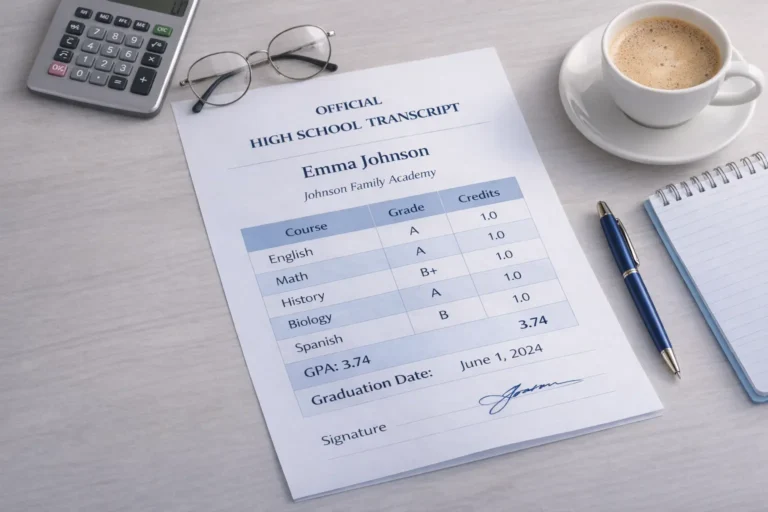
- Transcripts based on books read & projects completed
- Nature study continues
- Dual enrollment options
- SAT/ACT prep if needed
Transcript-Friendly Documentation:
- Keep book lists
- Save narrations & essays
- Photograph projects
- Document community service
- Track apprenticeships/jobs
- Portfolio creation
Charlotte Mason High School Transcripts Guide
Common Charlotte Mason Homeschool Challenges & Solutions
Challenge 1: “My child won’t narrate!”
Solutions: ✅ Start with very short passages (2-3 minutes) ✅ Let them draw instead of tell (visual narration) ✅ Ask specific questions to start: “Who was in the story?” ✅ Model narration yourself first ✅ Make it conversational, not formal ✅ Give processing time (30 seconds of silence is okay) ✅ Try narrating to a stuffed animal or pet
Challenge 2: “I don’t have time for nature study”
Reality Check:
- Nature walks can be 15-30 minutes
- Your backyard counts
- Window observation works too
- Combine with physical education
- Make it part of afternoon routine
Quick Nature Study Ideas:
- Bird watching from your window
- Observe clouds
- Track weather patterns
- Plant windowsill herb garden
- Feed birds and document visitors
- Photograph seasonal changes in one tree
Challenge 3: “Living books are expensive”
Budget Solutions: ✅ Library is FREE – use it heavily ✅ Little Free Libraries in your neighborhood ✅ Buy used on ThriftBooks, AbeBooks ✅ Check Facebook Marketplace ✅ Homeschool curriculum swaps ✅ Many classics are free on Project Gutenberg ✅ Interlibrary loan for hard-to-find books ✅ Build library slowly over years (reuse for younger siblings)
Challenge 4: “We’re behind grade level”
Charlotte Mason Perspective:
- No such thing as “grade level” in CM
- Children develop at different rates
- Focus on steady progress, not comparison
- Living books meet child where they are
- Narration ability improves with practice
- Trust the process
Charlotte Mason Resources for American Homeschoolers
Top Curriculum Providers
1. Simply Charlotte Mason
- Complete curriculum packages
- Planning tools and schedules
- Book recommendations
- Video training courses
- SimplycharlotteMason.com
2. AmblesideOnline
- FREE complete curriculum
- Book lists by year/grade
- Detailed schedules
- Active forums
- Visit: AmblesideOnline.org
3. A Gentle Feast
- Living books curriculum
- Christian worldview
- Year-long schedules
- Affordable pricing
4. Wildwood Curriculum
- Nature-focused CM approach
- Outdoor learning emphasis
- Multi-age friendly
Essential Charlotte Mason Books
For Parents:
- Home Education by Charlotte Mason (Volume 1)
- A Charlotte Mason Companion by Karen Andreola
- For the Children’s Sake by Susan Schaeffer Macaulay
- The Living Page by Laurie Bestvater
- When Children Love to Learn edited by Elaine Cooper
Study Guides:
- Laying Down the Rails by Sonya Shafer (habit training)
- Teaching from Rest by Sarah Mackenzie
- Consider This by Karen Glass (CM philosophy)
Charlotte Mason Study Guide – Free
Online Communities & Support
Facebook Groups:
- Charlotte Mason Homeschoolers (65K+ members)
- Simply Charlotte Mason Community
- AmblesideOnline Auxiliary
- Charlotte Mason Poetry
Websites & Blogs:
- Simply Charlotte Mason Blog
- AmblesideOnline.org
- Wildwood Curriculum Blog
- Raising Lifelong Learners
Podcasts:
- A Delectable Education
- Among the Weeks
- Charlotte Mason Show
- Read Aloud Revival
YouTube Channels:
- Simply Charlotte Mason
- Jamerrill Stewart (large CM family)
- Pam Barnhill (Morning Time)
State Requirements & Charlotte Mason Homeschool
Charlotte Mason methods comply with homeschool laws in all 50 states. Here’s how to ensure compliance:
Record Keeping for Charlotte Mason
Portfolio Method (accepted in most states):
- Book lists read
- Narration samples (written)
- Artwork & projects
- Photos of nature study
- Field trip documentation
- Test scores (if required)
Required Subjects by Most States:
- ✅ Reading/Literature – Living books
- ✅ Writing – Narration & composition
- ✅ Math – Charlotte Mason + traditional math
- ✅ Science – Nature study + living books
- ✅ Social Studies – History & geography living books
- ✅ Health/PE – Nature walks + sports
- ✅ Arts – Picture study, music, handicrafts
Transcript Creation (High School):
- List books read per subject
- Assign credit hours
- Calculate grades from narrations/projects
- Include community service
- Document extracurriculars
State-Specific Requirements:
- New York: Requires quarterly reports – use book lists
- Pennsylvania: Requires evaluations – portfolio works
- California: Private school affidavit OR umbrella school
- Texas: No requirements – complete freedom
Charlotte Mason Science: Beyond Nature Study
While nature study is central, Charlotte Mason science curriculum includes:
Living Science Books by Topic
Biology:
- The Burgess Bird Book
- Insect Adventures by Jean Henri Fabre
- The Microbe Hunters by Paul de Kruif
Physics:
- The Way Things Work by David Macaulay
- Janice VanCleave’s Physics Experiments
Chemistry:
- The Elements by Theodore Gray
- Mystery of the Periodic Table by Benjamin Wiker
Earth Science:
- How to Read the Landscape by Patrick Whitefield
- The Weather Book by Diana Craig
Hands-On Science:
- Nature journaling (observation skills)
- Simple experiments from living books
- Dissections (when age-appropriate)
- Science museums & field trips
- Documentaries (Planet Earth, Blue Planet)
Charlotte Mason Math: Finding the Balance
Charlotte Mason didn’t write extensively about math, so modern CM homeschoolers combine her principles with effective math programs.
Recommended Math Curricula for CM Families
Elementary:
- Right Start Math – Hands-on, visual
- Math-U-See – Manipulative-based
- Singapore Math – Conceptual understanding
- Life of Fred – Story-based (supplement)
Middle/High School:
- Teaching Textbooks – Computer-based
- Saxon Math – Incremental approach
- Art of Problem Solving – Advanced students
- VideoText Algebra – Visual learners
Charlotte Mason Math Principles:
- Short lessons (15-30 minutes)
- Mental math practice
- Real-life applications
- Narration of math concepts
- Quality over quantity
Charlotte Mason Math Resources
Getting Started: Your First Month of Charlotte Mason Homeschool
Week 1: Preparation & Philosophy
Days 1-2: Read & Learn
- Read Charlotte Mason’s philosophy online
- Watch intro videos on Simply Charlotte Mason
- Join Facebook group for support
Days 3-5: Library Haul
- Get library card if needed
- Check out 20-30 living books
- Browse children’s section for treasures
- Request hard-to-find books via interlibrary loan
Week 2: Start Gently
Daily Routine:
- Morning Time: 20 minutes (Bible, poetry, read-aloud)
- Math: 20 minutes (continue current program)
- Living Book Reading: 15 minutes
- Oral Narration: 5 minutes
- Nature Walk: 30 minutes (3x this week)
- Afternoon: Free reading, play
Don’t Add Yet:
- Formal writing
- All subjects at once
- Strict schedules
Week 3: Add Components
New Additions:
- Picture study (once this week)
- Second living book subject
- Copywork (2-3x this week)
- Handicraft project
- Music appreciation
Keep:
- Everything from Week 2
- Stay relaxed and flexible
Week 4: Establish Rhythm
Full Schedule (still gentle):
- Morning Time
- Math
- Language Arts (copywork OR dictation)
- History living book + narration
- Science/Nature book + narration
- Nature walk (3x week)
- Afternoon: Free reading, hobbies, projects
Evaluate:
- What’s working?
- What needs adjustment?
- Are lessons too long/short?
- Is child enjoying learning?
Download Free 30-Day Charlotte Mason Starter Plan →
Charlotte Mason Homeschool Success Stories
Real American Families
The Martinez Family – Texas “We switched to Charlotte Mason after 3 years of traditional curriculum burnout. My kids now ASK to do school. They’re reading above grade level, nature journaling is their favorite activity, and I’m not exhausted by 2pm.”
The Johnson Family – Oregon “Charlotte Mason saved our homeschool. My ADHD son thrives with short lessons. Nature walks are his sensory breaks. Living books hold his attention when textbooks never could.”
The Williams Family – North Carolina “We were Classical homeschoolers for years. Charlotte Mason brought back the JOY. My kids are learning more, retaining better, and we actually LIKE each other at the end of the day.”
The Chen Family – California “As Asian-American parents, we worried CM wouldn’t be ‘rigorous’ enough. Our daughter just scored 1520 on the SAT and got into Stanford. Living books taught her to think, not just memorize.”
Frequently Asked Questions
Q: Is Charlotte Mason enough for college prep? A: Absolutely! CM students often excel in college because they know HOW to learn. Add standardized test prep in 11th grade if needed. Many CM homeschoolers get into top universities.
Q: Can I do Charlotte Mason with multiple ages? A: Yes! This is where CM shines. Morning time is together. Many living books work for multi-ages. Older kids help younger with narration. Adjust lesson lengths by age.
Q: What if my child hates nature study? A: Start with 10 minutes. Let them choose focus (rocks, bugs, birds). Try different times of day. Make it play, not school. Some kids need time to detox from screens before connecting with nature.
Q: Is Charlotte Mason religious? A: Charlotte Mason was Christian, but her methods work for any family. You can include Bible study or skip it. Many secular families use AmblesideOnline’s secular alternative.
Q: How much does Charlotte Mason cost? A: Can be FREE (library + AO curriculum) to $500-1000/year (if buying books + Simply Charlotte Mason). Middle ground: $200-400/year.
Q: Will my child be behind without workbooks? A: CM students typically test ABOVE grade level. Narration develops comprehension better than fill-in-blanks. Trust the process.
Q: Can I combine Charlotte Mason with Classical? A: Many families do! Use CM’s living books + short lessons with Classical’s logic and rhetoric stages. Called “Classical Charlotte Mason.”
Conclusion: Is Charlotte Mason Right for Your Family?
The Charlotte Mason homeschool curriculum offers American families:
✅ Joyful learning without worksheet drudgery
✅ Rich literature instead of twaddle
✅ Nature connection in our screen-saturated world
✅ Short lessons that prevent burnout
✅ Character development alongside academics
✅ Multi-age friendly approach
✅ Affordable options available
✅ College-prep quality education
✅ Lifelong learners who love books
Charlotte Mason is ideal for families who:
- Value quality literature
- Want nature-rich childhoods
- Prefer gentle, relationship-based learning
- Desire less screen time
- Appreciate beauty, art, and music
- Want to homeschool multiple ages together
- Need flexible but structured approach
Views: 0